 Get a Quote
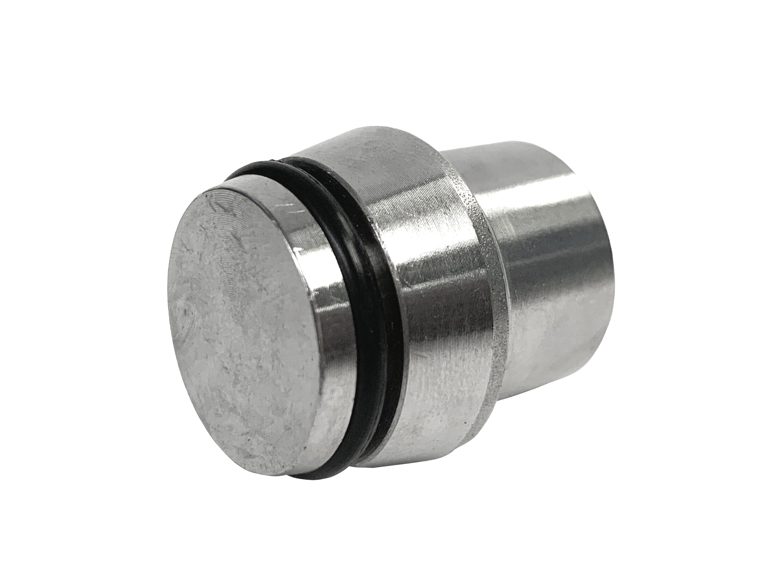
High Pressure Fittings
Hydraulic Compression Fittings
Metric hydraulic compression (bite-type) fittings to DIN 2353 / ISO 8434-1 — a cutting ring bites onto the tube OD to form a strong, leak-tight, reusable joint. Available in light (L) and heavy (S) series, including genuine Eaton Walterscheid.
- Metric & imperial series
- Genuine brands (Eaton Walterscheid, Stauff)
- Ex-stock, fast quotes
Specifications
| Size Range | 4 MM to 42 MM |
|---|---|
| Design Standard | DIN2353 / ISO 8434-1 |
| Material | SS316 Steel Brass |
| Working Pressure | Up to 800 BAR |
| Origin | Germany Korea |
Specifications are indicative and vary by size and manufacturer. Request the full datasheet for exact dimensions, materials and certification.
Typical applications
- Hydraulic tube and hose terminations
- Pump, valve and cylinder connections
- Instrumentation and impulse lines
Ordering & procurement
Ex-stock in Singapore, dispatched within 3 working days. Material / mill certificates (EN 10204 3.1) and export documentation available. Special sizes and materials sourced on request.
Request a quoteProduct information
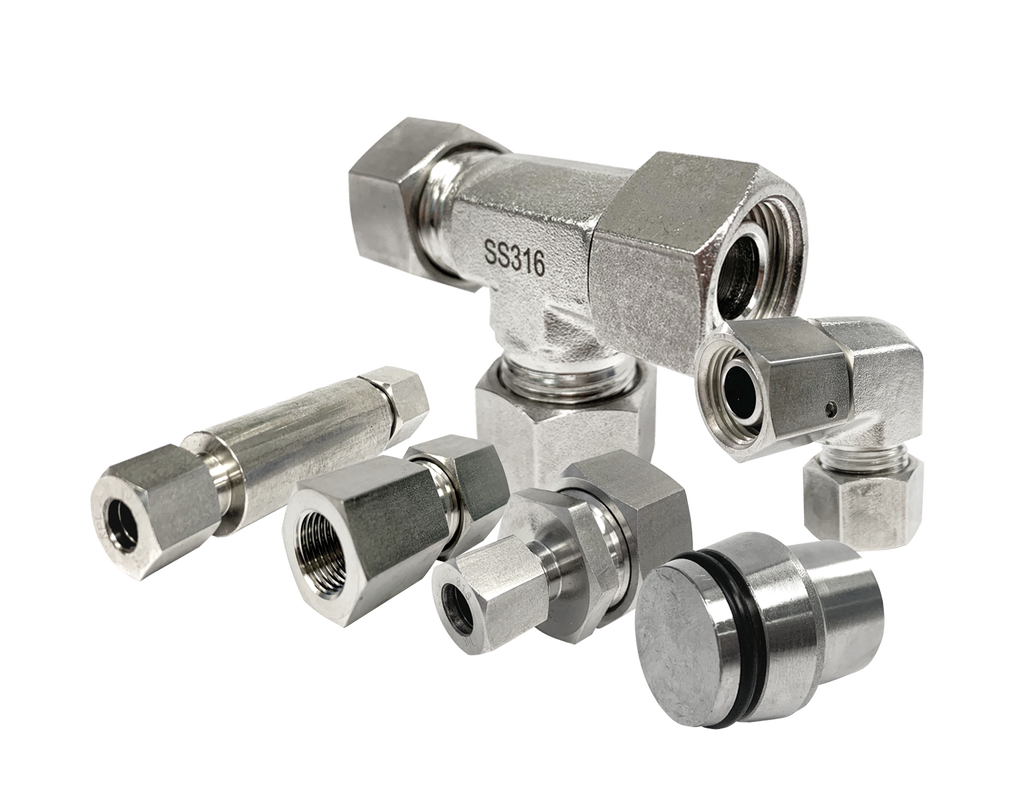
Compression fittings are made in accordance with DIN 2353/ISO 8434-1 standard, equivalent to EO Fittings . They are also known as DIN type tube fittings or tube connectors. DIN fittings are designed for hydraulic oils application and are consists of nut, sleeve, and fitting body. The series of compression fittings are determined by tube sizes namely, LL series , L series, and S series. The working pressure is determined by the series and tube sizes. DIN fittings are available in brass, steel , and stainless steel .
Germany Korea
Product information
1. Specifications:
DIN Type Compression Fittings are made in accordance with DIN 2353/ISO 8434-1 standards. They are also known as DIN Compression Fittings, Bite Type Fittings or Single Ferrule Fittings, and commonly used to connect tubes and hydraulic lines. The use of the proper fittings increases the efficiency of the equipment and creates a smooth flow through the system. Compression fittings adhere to the DIN2353 standards established by the Deutsches Institut für Normung, ensuring product quality and compatibility with other goods. Moreover, they are also often used for hydraulic and lubrication oil, fresh water and sanitary applications. A DIN fitting consists of three components, namely fitting body, nut, and sleeve. The fittings are made in Korea and Germany with the brand Eaton and HSME respectively.
2. Material:
Compression fittings are generally made with three materials: Brass, Steel and Stainless Steel. These materials are utilized in systems that are compatible with one another. To protect fittings from corrosion, an additional process is carried out. The process is passivation for stainless steel, white zinc plating for steel, and acid cleaning for brass. Moreover, there are several differences between the materials used for compression fittings.
- Brass Fittings: Brass is one of the most common materials used in the production of pipes and tubes. It has grown in popularity due to its topical relevance and dynamic traits. The strengths of brass fittings are durability and high corrosion resistance. Brass fittings can withstand high pressures and maintain their structure for a long time. Brass is a metal made up of copper, zinc, and other metals which makes the material corrosion resistant and ideal for the production of a variety of tools, such as compression single ferrule fittings.
- Carbon Steel Fittings: Iron, carbon, manganese, copper, silicon, sulfur, phosphorus, molybdenum, nickel, chromium, and vanadium are all contained in carbon steel. Carbon steel fittings have the high strength quality which is durability due to its chemical composition. Besides, they are resistant to extreme weather conditions and corrosion.
- Stainless Steel Fittings: Stainless steel fittings encompass selenium, aluminium, silicon, nickel, molybdenum, chromium, sulfur, nitrogen, copper and selenium. They are resistant to corrosion and chemical damage as a minimum of 11% chromium is present in stainless steel. Stainless steel fittings are readily accessible in the market.
3. Size Range & Pressure Rating:
Compression fittings are available in three series, which is LL series, L series and S series. The available sizes depend on tube outer dimensions (OD) which ranges from 4MM OD to 42MM OD.
Pressure rating varies for each series. For LL series, the maximum working pressure is 100 Bars. For L series, the highest pressure rating is 315 Bars, and for S series, the highest pressure rating is up to 630 Bars. However, take note that the pressure rating of the fittings is also affected by the sizes. In general, larger sizes will have lower working pressure.
4. Steps to Prepare Components Before Assembly:
You must be sufficiently prepared for the process before connecting fittings to tubes or pipes. More importantly, the components that will be connected must be easily available and properly selected. To prepare your components, there are three steps as following:
Step 1: Tubes
Before purchasing tubes, you should be aware of the significance of material compatibility. Choose the tubes based on the working pressure, chemical composition, size, temperature range, and etc.
Step 2: Fittings
Choose your desired fitting configuration. Fittings are critical components that determine the flow direction based on their shape. You can use a union coupling, a tee, a 90D, an elbow, or any other form of fitting.
Step 3: Tools
When selecting tools, kindly consider the outer diameter of the tubes you'll be purchasing. The appropriate tools will make the installation procedure run quickly and smoothly.
5. Configurations:
These fittings come in a variety of configurations and hence, they need to be adaptable to a variety of conditions. Straight fittings are the most popular that are used to join straight pipes and hoses. Moreover, there are other configurations which are available for more delicate and specific situations. For instance, tees, crosses, caps, plugs and nuts.
For more information about DIN fittings, please refer to en.wikipedia.org/wiki/Cutting_ring_fitting
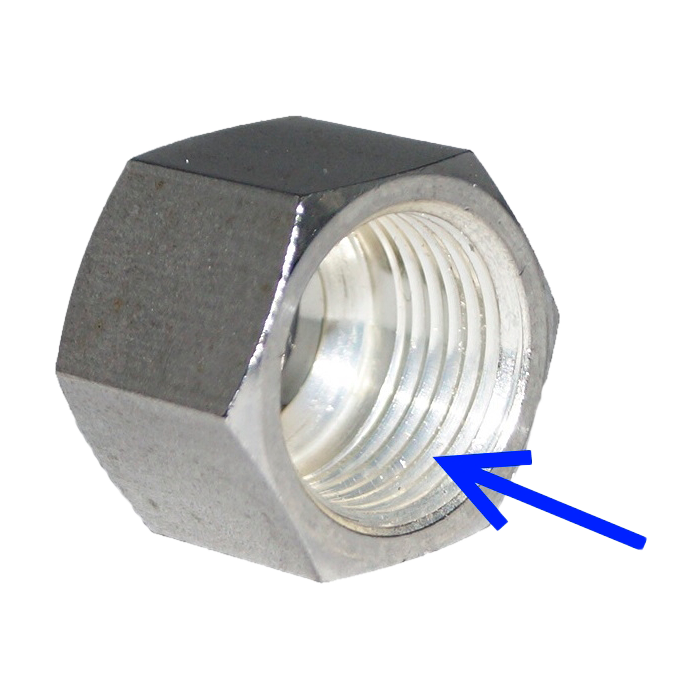
Lubrication of threads of union nut
6. Compression Fittings Assembly Instruction:
Before assembling DIN fittings with tubes, we need to put attention on some details. The material of fittings and tubes must be similar, except for copper tubes, which are used together with brass fittings. Saw machines are recommended for sawing off tubes. After sawing off the tube, do use deburring tools to lightly deburr the inner and outer diameter of the tube ends.
We also need to lubricate the threads of the nut and the body of the fittings, the cutting ring and the 24˚ cone using a suitable lubricant like anti-bloc fett. Please note that normal grease is not recommended for lubrication.
To assemble the fitting with the tube, first, place the pre-oiled nut and cutting ring over the tube in the right direction. Then, insert the tube into the fitting body, up to fitting stopper with nut and cutting ring. Then, hand-tighten the nut, and the wrench tighten 1 1/4 turns, by holding the fitting body with a second wrench, for final assembly. Please note that we should turn the nut instead of the fitting body. After that, check the penetration of the cutting ring.
7. Compression Fittings Pressure Ratings:
The pressures specified are in accordance with DIN 2401 part 1 draft. The pressure has a safety factor of 4 times according to DIN 3859 standards.
| LL Series | Up to 100 BAR |
|---|---|
| L Series | Up to 500 BAR |
| S Series | Up to 800 BAR |
8. Compression Fittings Temperature Ratings:
Compression Fittings temperature ratings vary in accordance to the body material as per below:
Body Material Temperature Rating:
| Stainless Steel | -60°C to 400°C (DIN 17440) |
|---|---|
| Steel | -40°C to 120°C (DIN 3859) |
| Brass | -60°C to 175°C |
When combing seal material, the temperature rating of seal may become the limiting factor on the fitting's temperature rating. Kindly refer to the temperature rating below:
Elastomer's Temperature Rating:
| NBR | -35°C to 100°C (Default Option) |
|---|---|
| Viton | -25°C to 200°C |
| PTFE | -60°C to 240°C |
There are reductions in the nominal pressure (PN) caused by the temperature of the fluid medium or surroundings. Please refer to the table below:
Pressure Reduction in Temperature:
| Fitting Material | Temperature Range | Pressure Reduction |
|---|---|---|
| Stainless Steel | -60°C to +20°C | - |
| Stainless Steel | +50°C | 4% |
| Stainless Steel | +100°C | 11% |
| Stainless Steel | +200°C | 20% |
| Stainless Steel | +300°C | 29% |
| Stainless Steel | +400°C | 33% |
| Steel | -40°C to +120°C | - |
| Brass | -40°C to +175°C | 35% |
← To go back to High Pressure Fittings page
FAQ Of Hydraulic Compression Fittings
What is the outer diameter size range of compression fittings?
The outer diameter size range of compression fittings is 4mm to 42mm.
What is the working pressure for compression fittings?
Compression fittings can withstand working pressure from 100 to 800 bar.
What does compression fittings do?
Compression fittings improve the efficiency of the machinery and create a smooth flow in the system.
How many series does compression fiitings available?
There are 3 series of compression fittings which are S, L and LL series.
What are the differences among S, L and LL series?
They distinguish themselves from the working pressures that they can tolerate. The S series fitting can withstand pressures ranging from 315 to 630 bar. The L series fitting can withstand pressures of up to 315 bar. It is affected by the outer diameter scale. The lowest pressure available is 100 bars, which is only available for the LL series.
What are Compression fittings made of?
The compression fittings are made of SS316 Stainless Steel, Carbon Steel, and Brass.
Specifications
Technical data
| Size Range | 4 MM to 42 MM |
|---|---|
| Design Standard | DIN2353 / ISO 8434-1 |
| Material | SS316 Steel Brass |
| Working Pressure | Up to 800 BAR |
| Origin | Germany Korea |
| LL Series | Up to 100 BAR |
|---|---|
| L Series | Up to 500 BAR |
| S Series | Up to 800 BAR |
| Stainless Steel | -60°C to 400°C (DIN 17440) |
|---|---|
| Steel | -40°C to 120°C (DIN 3859) |
| Brass | -60°C to 175°C |
| NBR | -35°C to 100°C (Default Option) |
|---|---|
| Viton | -25°C to 200°C |
| PTFE | -60°C to 240°C |
| Fitting Material | Temperature Range | Pressure Reduction |
|---|---|---|
| Stainless Steel | -60 °C to +20°C | - |
| Stainless Steel | +50°C | 4% |
| Stainless Steel | +100°C | 11% |
| Stainless Steel | +200°C | 20% |
| Stainless Steel | +300°C | 29% |
| Stainless Steel | +400°C | 33% |
| Steel | -40°C to +120°C | - |
| Brass | -40°C to +175°C | 35% |
Having a hard time finding the right parts?
We stock 15,000+ line items and can source specials nobody else can. Get a quotation within 2 hours.