 Get a Quote
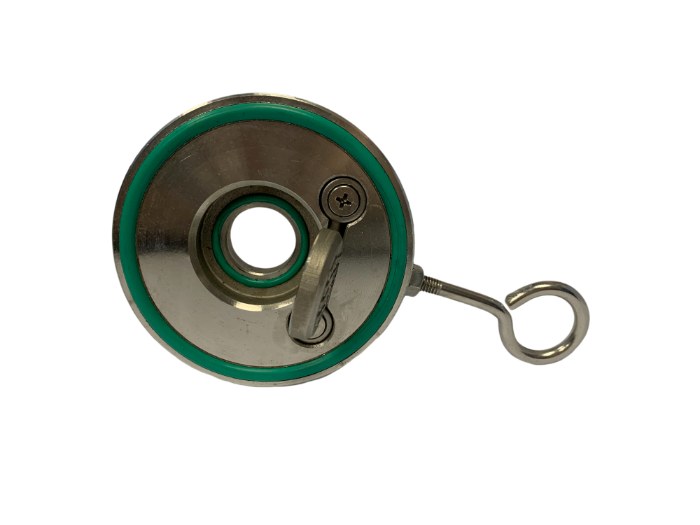
Single Plate (Wafer) Check Valve
Low Pressure Valves
Single Plate Check Valve
Single Plate Check Valve, also known as a wafer check valve or single-disc check valve, prevents the backflow of fluids in a pipeline. Fitted between two flanges as a non-return valve, it suits both horizontal and vertical pipelines and is manufactured to DIN, JIS or ANSI standards.
- Size range 1 1/2" to 6" (DN40–150)
- SS316 / CF8M, up to 232 PSI
- Temperature -20°C to 280°C
Specifications
| Size Range | 1 1/2" to 6" (DN40–150) |
| Wafer Type | Single Door Type |
| Material | SS316 / CF8M |
| Connection Type |
|
| Working Pressure | Up to 232 PSI |
| Temperature Range | -20°C to 280°C |
Specifications are indicative and vary by size and manufacturer. Request the full datasheet for exact dimensions, materials and certification.
Typical applications
- Oil & gas, petroleum and chemical processing
- Power plants and public utilities
- Building services, real estate and environmental protection
- Steel works and metallurgy
Ordering & procurement
Ex-stock in Singapore. Material certificates and export documentation available on request; special sizes and materials sourced on request.
Request a quoteProduct information
A single plate check valve — also called a wafer check valve or single-disc swing check valve — prevents the backflow of fluids in a pipeline. It is connected between two flanged pipes to form a non-return valve and is manufactured to DIN, JIS or ANSI standards. The valve activates automatically with the flow of the medium, closing when the medium tries to flow back.
It is well suited to industrial pipelines carrying liquids and gaseous fluids, is offered in sizes from 1 1/2" to 6", and is made mainly from stainless steel or CF8M. Brand: AF Hydro (Addison Fluids).
Product information
1. What is a single plate check valve?
The valve has a solid body with a thin plate profile in the middle, which can be set between a set of flanges. It is manufactured according to the ASME B16.34 standard. There is a connection for the flange to connect with pipes, valves and various piping equipment to build a piping system.
The single-plate check valve is fixed in the center position by flange connection screws. The number of screws installed each time depends on the valve size. O-ring seals are used to protect the valve from external influences. The single-plate check valve operates at low pressure. The valve helps provide fast access during cleaning and maintenance work.
SS316 Single Plate (Wafer) Check Valve
2. What is the difference between dual plate and single plate check valves?
There are only two types of plate type check valve, which is single plate check valve and dual plate check valve. The different types of valve would fit in different applications. Both of the check valves are most commonly used check valves that apply in the system design, the function of both valves are the same, which ensure the one way flow of the pipeline system.
| Check valve design | Dual Plate | Single Plate |
|---|---|---|
| Disk Body | Two disks | One disk |
| Body Thickness | Thicker | Thinner |
| Unit Weight | Heavier | Lighter |
| Outer Diameter Size | Bigger | Smaller |
| Unit Cost | Higher | Lower |
3. Why select a single plate check valve?
The following are the benefits of installing a single plate check valve:
- Able to apply in both horizontal and vertical pipelines.
- The soft seat valve has two O-ring materials, which are Viton and NBR seats.
- Long service life and trouble-free operation.
- Easy to install and maintenance.
- Light series check valve.
However, there are limitations of using a single plate check valve. The disadvantages of installing single plate check valve are:
- The cost normally higher than swing check valve on per weight basis.
- As the valve is not easy to clean, it cannot be used for cleaning or aseptic application. Dirt may cause excessive wear of the disk.
4. Can a check valve be installed horizontally?
To obtain the best flow results for check valves, it is important to follow best installation practices. A simple error can lead to a reduction in the efficiency of its optimal performance or cause major damage to other equipment in the system. Some key points of the installation instructions should be kept in mind as follows:
- Check the valve surface and O-ring material before installation to ensure that there is no contamination.
- Ensure that the installed check valve meets the operating requirements, such as pressure category, chemical resistance, pipe size and connections.
- Install a straight line of at least 5 times the nominal diameter before and after the check valve.
- The outlet support allows the check valve to have a larger opening angle and higher throughput.
- The valve cannot be installed directly on the pump flange.
- Avoid pulsation and pressure shock.
- If the valve can be opened at the top of the system, vertical throughput is allowed.
- The ring screw must be at the top to achieve horizontal throughput.
- The valve is allocated between the two flanges with ring screws. Install it at its center position according to the outer diameter of the housing by pressure inspection.
5. What are the fields of application for single plate check valves?
The single plate check valve is applicable in the following fields:
- Oil & gas field
- Public facilities
- Power plant
- Building industry, real estate
- Environment protection
- Petroleum, chemistry industry
- Steel work, metallurgy
6. What is the difference between a swing check valve and a single plate (wafer) check valve?
Check valves are one of the important types of valves implemented in many industrial and home projects. The usage of the check valve is to prevent the opposite flow of fluids in the pipeline system, and maintain a stable pressure level. It is often used to help regulate the flow of liquids and gases. It can be used in various different industries such as oil refining, chemicals, water and wastewater management, and manufacturing systems.
There are various types of check valves, for example, ball valve, swing valve, and wafer valves. The swing check valve and the wafer check valve have the same function, but the design is different. The difference may be determined by the situation or the system.
Swing Check Valves
Swing check valve utilizes a swinging disc to allow the flow of the fluids and block the backflow. The features of the swing check valve are self-activating, which means the valve itself can allow the fluids flow without user interference. The molded body shape of the valve provides space for the valve flap to fully swing open. This is important if full flow is required in a system where valves are used. This makes swing check valves ideal for situations where full-bore valves are required.
How does it function?
The swing check valve uses a disc and a hinge to function, and then uses a hinge pin to hang it on the top of the device. When the material passes through the device, the disc remains parallel to the fluid, thus keeping the valve open. When the material flows in the reverse direction, the valve flap moves downward perpendicular to the material flow, which causes the valve to close. These valves have two common shapes: straight body design or Y-shaped design. Depending on the use situation or valve settings, any shape may be advantageous.
Single Plate (Wafer) Check Valves
The small size of the valve allows it to be set between a set of flanges. Flanges are materials designed to connect pipes, valves, and various piping equipment to create a piping system. They help provide quick access in cases where cleaning or other maintenance is required.
How does it function?
The valve blade shape makes it an excellent choice for systems that require short extraction lengths. The working mode of the wafer check valve is roughly the same as that of the swing check valve. Like the swing check valve, the wafer check valve consists of a disc and a valve seat device. When the material flows in one direction, the fluid lifts the disc from the seat assembly. This allows material to flow through the valve. If the fluid flows through the valve in the opposite direction, the material flow pushes the disc back into the valve seat device, thereby closing the valve and the material flow.
The wafer check valve is designed to be slim and unlikely to block. This design makes them very suitable for materials containing solid particles or debris. This type of valve can be installed vertically or horizontally, as long as the back pressure required for the check valve to seat is sufficient. In the case of insufficient back pressure, a mechanism can be used to help provide an auxiliary valve.
| Types | Advantages | Disadvantages | Applications |
|---|---|---|---|
| Swing Check Valve |
|
|
|
| Single Plate (Wafer) Check Valve |
|
|
|
Downloads
Catalogues & literature
FAQ Of Single Plate Check Valves
What is the size range of single plate check valves?
The size range of the single plate check valves is from 1 1/2 inches to 6 inches.
What is single plate check valves made of?
It is made of stainless steel SS316 or CF8M.
What is the working pressure of single plate check valves?
The working pressure that single plate check valves can withstand up to 232 psi.
What is the working temperature range of single plate check valves?
The working temperature range of single plate check valves is from -20°C to 280°C.
What is the standard specification single plate check valves comply with?
Single plate check valves are constructed to be mounted directly between flanges according to DIN, JIS or ANSI standards.
What is the function of the single plate check valves?
Single plate check valves are designed for return flow prevention in pipeline installation. It would block fluids on one side of the pipe within allowable temperature and limit of working pressure.
Having a hard time finding the right parts?
We stock 15,000+ line items and can source specials nobody else can. Get a quotation within 2 hours.