 Get a Quote
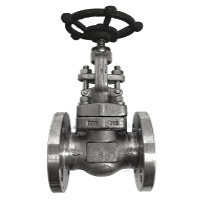
Low Pressure Valves
Globe Valves
A comprehensive range of industrial isolation, non-return, regulating and strainer valves for water, air, steam, oil and general utility service. Chuan Kok stocks ball, gate, globe, check, butterfly and Y-strainer valves in SS316, cast steel, cast iron and brass.
- Precise throttling and flow regulation
- SS316, cast iron, cast steel and A105 bodies
- Flanged, threaded and socket weld ends
- Excellent sealing performance
ANSI 150# SS316 Flange End Globe Valve
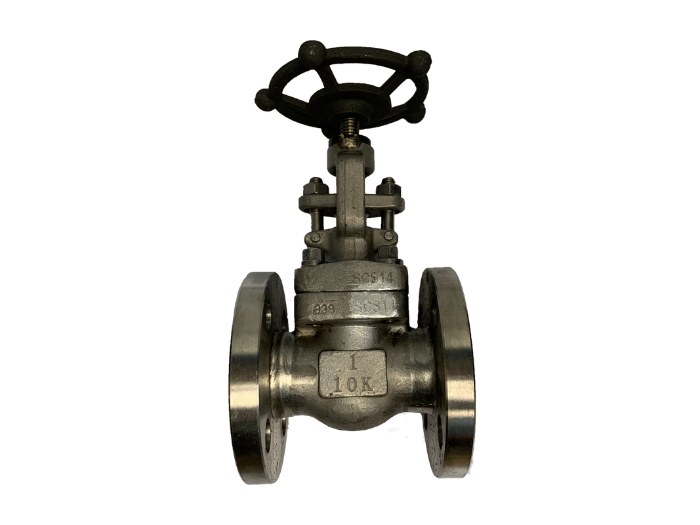
JIS 10K SS316 Flange End Globe Valve
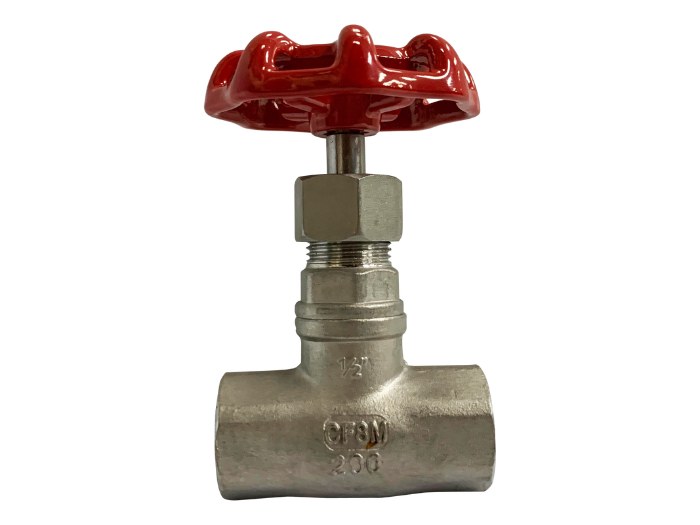
Threaded End SS316 Globe Valve 200PSI
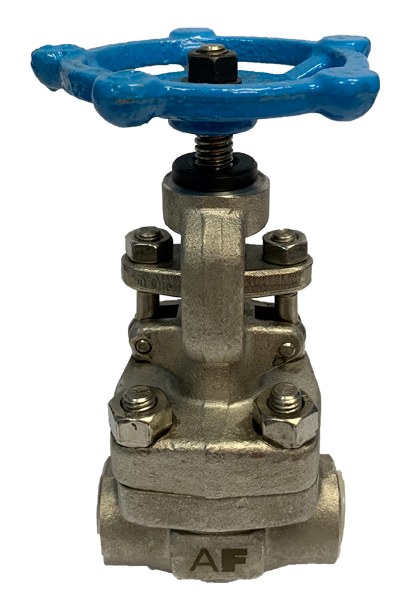
Threaded End SS316 Globe Valve 800PSI
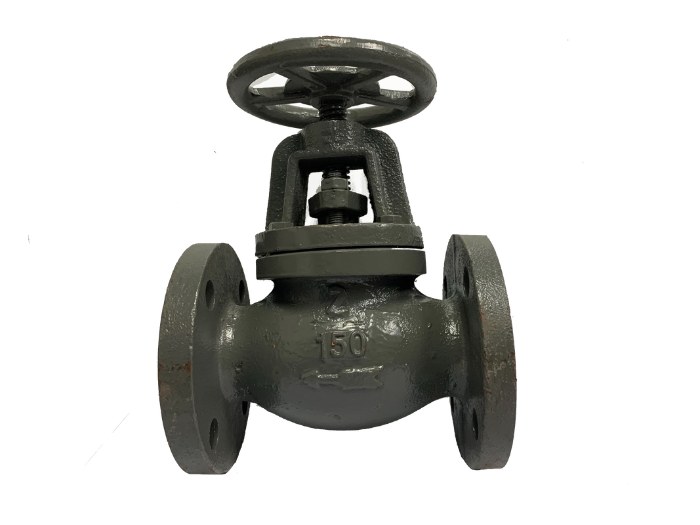
ANSI 150# Cast Iron Flange End Globe Valve
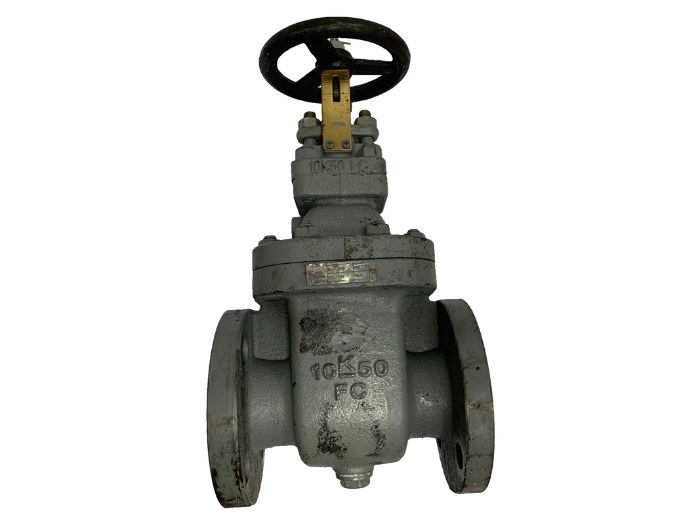
JIS 10K Cast Iron Flange End Globe Valve

ANSI 150# Cast Steel Flange End Globe Valve
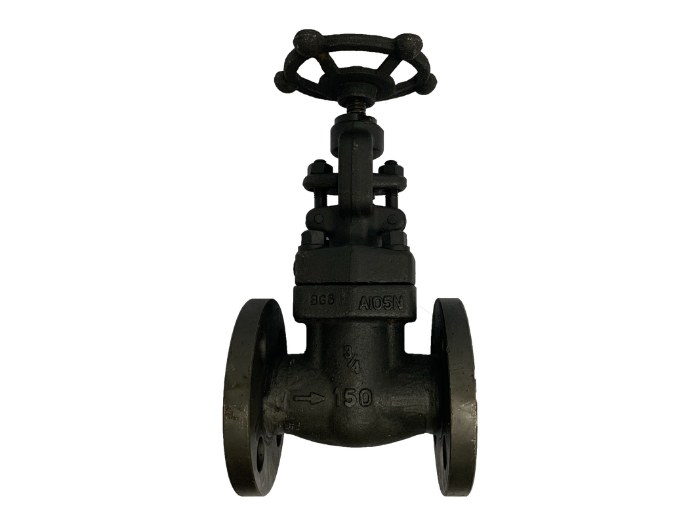
ANSI 150# Forged Steel Flange End Globe Valve
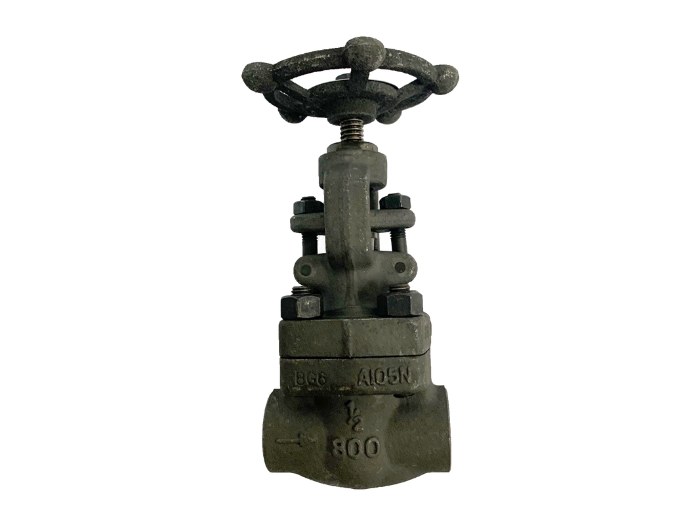
Threaded End Forged Steel Globe Valve
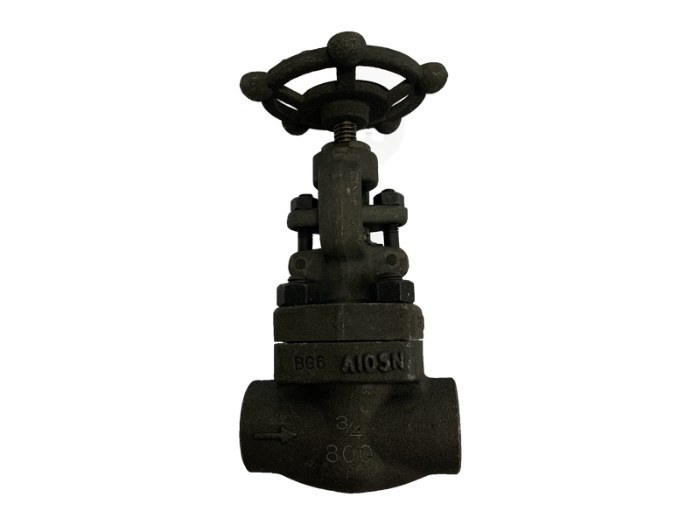
Welded End Forged Steel Globe Valve
Overview
A comprehensive range of industrial isolation, non-return, regulating and strainer valves for water, air, steam, oil and general utility service. Chuan Kok stocks ball, gate, globe, check (swing/dual-plate/spring), butterfly and Y-strainer valves in SS316, cast steel, cast iron and brass — to ANSI, JIS and PN standards, in flanged, threaded and welded connections.
Buying from Chuan Kok
Wide selection ex-stock by material, pressure class and connection. Specify medium, temperature, line size and end connection and we'll recommend the right valve.
Standards & materials
- Flanged: ANSI 150#/300#, JIS 10K, PN10/16/40
- Threaded: 200 PSI / 800 PSI (WOG), BS/API
- Design/test: API 598 / BS 6755
Specifications
| Size Range | 1/2" to 6" |
| Material |
|
| Working Pressure |
|
| Connections |
|
| Applicable Medium | General Oil, Gas & Water Applications |
| Temperature Range |
|
Specifications are indicative and vary by size and manufacturer. Request the full datasheet for exact dimensions, materials and certification.
Typical applications
- Water, seawater and utility distribution
- Compressed air and low-pressure gas
- Steam and condensate (rated types)
- Marine, building services and process lines
Ordering & procurement
Wide selection ex-stock by material, pressure class and connection. Specify medium, temperature, line size and end connection and we'll recommend the right valve.
Request a quoteAbout this range
Globe valve, sometimes called stop valve, is a type of valve utilized to adjust the flow in the pipeline. It is a linear motion valve which functions to start, shop and regulate fluid flow in a pipeline. Different from ball valves, it consists of a movable valve core or disc element and a stationary ring seat (mating ring) located in a regularly spherical body. The Globe Valve that we offer from the size range 1/2“ to 6”. The materials available include stainless steel, cast iron, cast steel, and forged steel. It can withstand working pressure of 150#, 200# and 800#. The name of the globe valve originates from its appearance, which is the spherical body shape with the two halves of the body being isolated by an internal baffle. It has an opening to form a valve seat, and a movable plug can be screwed into the valve seat to close/ shut the valve. This plug is called a disc as well. The plug is connected to the valve stem that can be operated by the screw action of the hand wheel in the manual valve. Automated globe valves utilize smooth stems instead of threads in general, and they are opened and closed by the actuator assembly. The valve body is embossed with a valve direction arrow to indicate the direction of flow. A disc can completely close the flow path or be completely removed from the flow path. During the valve operation, the dics will move perpendicular to the valve seat. The movement forms an annular space between the valve seat and disc which gradually closes when the valve is closed. It creates an excellent throttling capacity to the valve to regulate the flow. The throttle valve is utilized to manage the flow rate by directly throttling or throttling in a bypass line.
Product information
1. What are the types of the globe valve?
Globe valve consists of different types of disc, as shown in the following table.
| Ball Type |
|
| Needle Type |
|
| Composition Type |
|
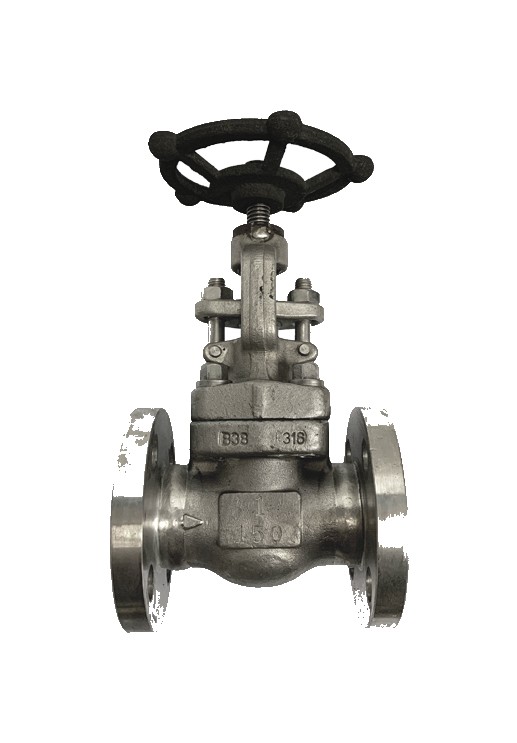
ANSI 150# SS316 Flange End Globe Valve
2. How does a Globe Valve work?
The valve plug is directed by the stem to keep aligned with the centerline of the valve seat. When the plug and stem are lifted from the original position, the valve is in the open position. The globe valve has two port designs, which is Standard port-guided and Double-ported.
(a) Standard Port-Guided
The seat ring is utilized as a guide for the plug to make sure the centreline of the plug and seat are aligned. The diameter size of the valve stem can be made smaller, thereby reducing sliding friction and enhancing control behavior.
(b) Double-ported
A pair of plugs and a matching pair of seats is used to throttle flow of fluid in the globe valve. The pressure difference across the fluid process between the inlet and outlet of the valve will produce a force parallel to the valve stem. There will be two opposite force vectors, one at the lower plug and the other at the upper plug. If the plug areas are approximately equal, the forces will also be approximately the same, so they are almost canceled. This makes the valve easier to start.
3. Why does a Globe Valve fail?
Globe Valves are commonly used to control fluid flow in pipeline systems for most ships and offshore. It acts as an essential role in the piping system, it is widely used in various industries such as chemical and petrochemical industries. During the operation of the valve, due to the complex geometry of the valve, various phenomena such as cavitation and flashing may occur, resulting in a high pressure drop.
The cavitation in the valve can cause issues and difficulty to the factories. If the valves in the piping system were destroyed, resulting in a costly replacement every few months. For globe valves that transport liquids, cavitation is a destructive issue during its operation, as according to Bernoulli’s equation, the pressure may drop due to changes in speed. Cavitation occurs when the partial pressure in the globe valve drops due to the increase in speed and is lower than the corresponding saturated vapor pressure of the working liquid at a certain temperature. The steam begins to form bubbles in the low-pressure area, and then bursts immediately from pressure recovery as it flows downstream, causing vibration and erosion. In addition, this will not only cause vibration of the valve body, but also high noise.
Due to cavitation, the globe valve will be damaged in a short period of time. In the petroleum industry, it is very common to replace the damaged globe valve in the pipeline system every few months. Replacing a globe valve damaged by cavitation in a factory has become a routine and costly task. At present, most valve manufacturers are trying to reduce the damage of cavitation, thereby increasing the value of the globe valve. In order to minimize the cost caused by valve cavitation, cages are used to make cavitation only come in the area adjacent to the cage itself; thus, only the cage needs to be replaced.
A study focuses on the cavitation occurrence in Globe Valve; in the research, the authors indicate that vapor emerges in the vortex inside the valve and in the downstream area of the globe valve without a cage. However, vapor does not occur in those areas of the globe valve with two cages; therefore, the vapor mainly collects at the outlet of the flow passage of the cage. The results show that the steam generation rate in the downstream area is lower than that without the cage. Therefore, it is proved that the cage cavitation mainly occurs in the area near it. This avoids cavitation damage to the valve body and downstream area.
4. What is the difference between Gate Valve and Globe Valve?
The Gate Valves and Globe Valves are similar in terms of physical appearance. The following table shows the differences between them in terms of function, application, installation, sealing, cost, and how they work.
| Description | Gate Valve | Globe Valve |
|---|---|---|
| Function |
|
|
| Application |
|
|
| Installation |
|
|
| Sealing | Good sealing | The seals are much better than gate valve |
| Cost |
|
|
| How does it work |
|
|
Downloads
Catalogues & literature
Catalogue
📄
ANSI 150# SS316 Globe Valves — Catalogue
PDF →📄JIS 10K SS316 Globe Valves — Catalogue
PDF →📄Threaded End SS316 Globe Valves (200 PSI) — Catalogue
PDF →📄Threaded End SS316 Globe Valves (800 PSI) — Catalogue
PDF →📄ANSI 150# Cast Iron Globe Valves — Catalogue
PDF →📄JIS 10K Cast Iron Globe Valves — Catalogue
PDF →📄ANSI 150# Cast Steel Globe Valves — Catalogue
PDF →📄ANSI 150# Forged Steel Globe Valves — Catalogue
PDF →📄Threaded End Forged Steel Globe Valves — Catalogue
PDF →📄Welded End Forged Steel Globe Valves — Catalogue
PDF →Literature
📄
ANSI 150# SS316 Globe Valves — Literature
PDF →📄JIS 10K SS316 Globe Valves — Literature
PDF →📄Threaded End SS316 Globe Valves (200 PSI) — Literature
PDF →📄Threaded End SS316 Globe Valves (800 PSI) — Literature
PDF →📄ANSI 150# Cast Iron Globe Valves — Literature
PDF →📄JIS 10K Cast Iron Globe Valves — Literature
PDF →📄ANSI 150# Cast Steel Globe Valves — Literature
PDF →📄ANSI 150# Forged Steel Globe Valves — Literature
PDF →📄Threaded End Forged Steel Globe Valves — Literature
PDF →📄Welded End Forged Steel Globe Valves — Literature
PDF →Having a hard time finding the right parts?
We stock 15,000+ line items and can source specials nobody else can. Get a quotation within 2 hours.