 Get a Quote
Low Pressure Valves
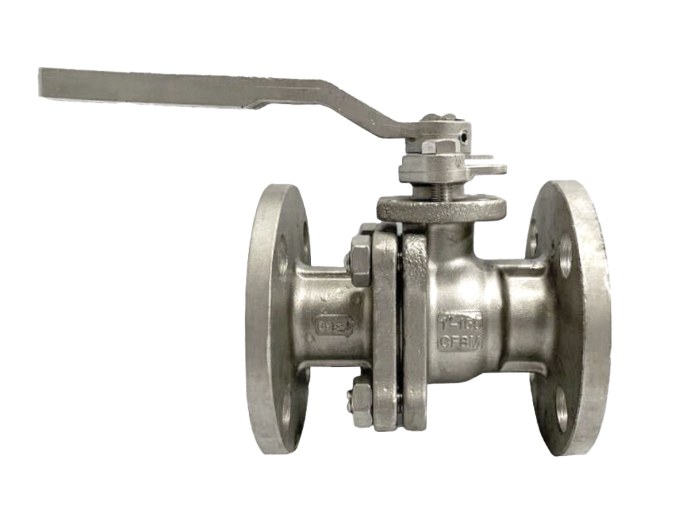
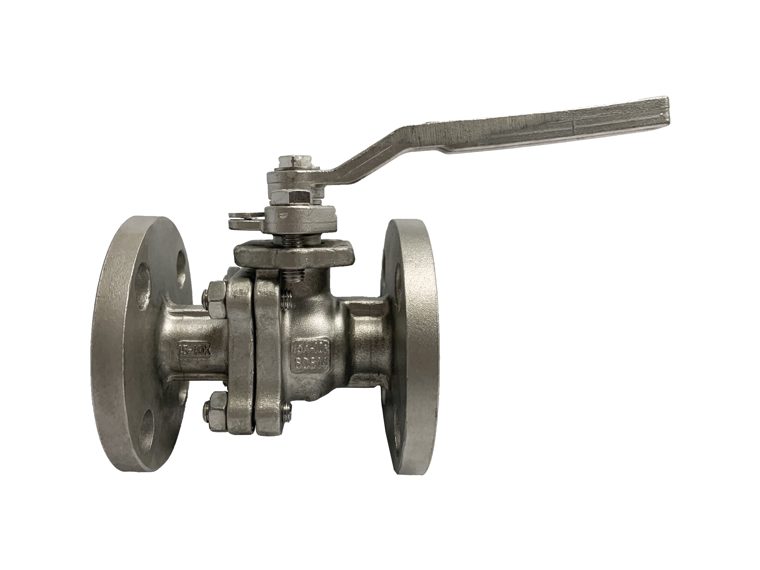
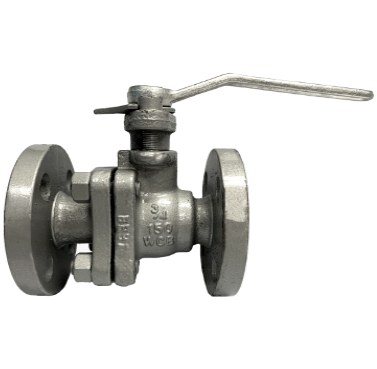
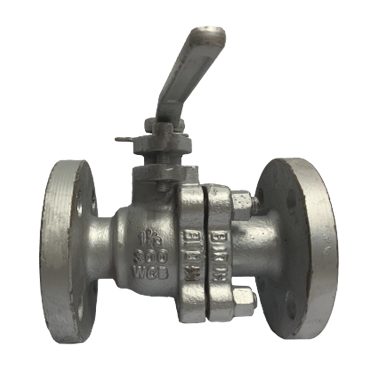
Flange End Ball Valves
A comprehensive range of industrial isolation, non-return, regulating and strainer valves for water, air, steam, oil and general utility service. Chuan Kok stocks ball, gate, globe, check, butterfly and Y-strainer valves in SS316, cast steel, cast iron and brass.
- Full bore design accepts high flow rates
- ANSI 150#/300#, JIS 10K, PN10/16 standards
- SS316 and cast steel bodies
- ISO 5211 mounting for actuation
Overview
A comprehensive range of industrial isolation, non-return, regulating and strainer valves for water, air, steam, oil and general utility service. Chuan Kok stocks ball, gate, globe, check (swing/dual-plate/spring), butterfly and Y-strainer valves in SS316, cast steel, cast iron and brass — to ANSI, JIS and PN standards, in flanged, threaded and welded connections.
Buying from Chuan Kok
Wide selection ex-stock by material, pressure class and connection. Specify medium, temperature, line size and end connection and we'll recommend the right valve.
Standards & materials
- Flanged: ANSI 150#/300#, JIS 10K, PN10/16/40
- Threaded: 200 PSI / 800 PSI (WOG), BS/API
- Design/test: API 598 / BS 6755
Specifications
| Size Range | 1/2" to 6" |
| Material |
|
| Working Pressure | 10kg/cm² |
| Flange Connections |
|
| Valve Body Material |
|
| Applicable Medium | General Oil, Gas & Water Applications |
Specifications are indicative and vary by size and manufacturer. Request the full datasheet for exact dimensions, materials and certification.
Typical applications
- Water, seawater and utility distribution
- Compressed air and low-pressure gas
- Steam and condensate (rated types)
- Marine, building services and process lines
Ordering & procurement
Wide selection ex-stock by material, pressure class and connection. Specify medium, temperature, line size and end connection and we'll recommend the right valve.
Request a quoteAbout this range
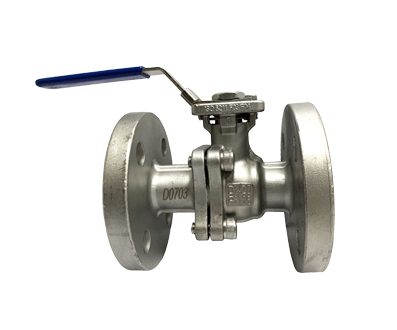
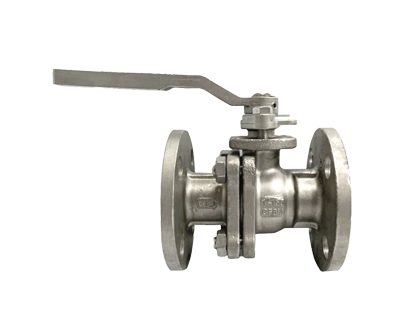
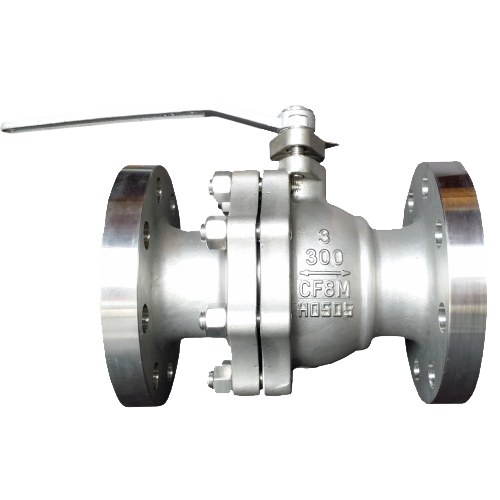
Flange end ball valve is a full bore ball valve with a flanged connection. The usage of the flange end ball valve is to allow or stop the flow in the pipeline system and ensure the pressure within a pipeline system or process. The full bore type operates with a quarter turn and the handle of the valve can be rotated at 90 degrees. The ISO square mounting pad on the valve body allows the actuator to mount on it rather than using the handle, for easy operation. Besides, the flange end ball valve has a spherical disc for the purpose of opening and closing the flow of the fluid. The design of the flange end ball valve presents a strength of tight and leak-free sealing even after years of operation. They are important components in a pipeline system installation that convey liquids, gasses, slurries, etc. The feature of the flange end ball valve allows the connection between the accessories (such as gasket, bolts, and nuts) and the two flanges. There are various types of connection of flange end ball valves, however, the main material for this particular ball valve is stainless steel (SS316) with a PTFE seat. Flange end ball valve is available ranging from 1/2" to 6". It can withstand a working pressure of 10kg/cm².
Product information
1. What are Flange End Ball Valves?
Flanged ball valves or flange end ball valves are one of the connection types of ball valves. The ports are connected to the piping system by flanges, which are usually designed according to the specific standard. The particular valves can accept high flow rates as they usually have a full bore design (as mentioned above). It is important to be concerned about the flange compression rating apart from the pressure rating when selecting a flange end ball valve, this means that you need to consider the highest pressure that the connection type can withstand. Besides, flange end ball valves are designed with two, three, or four ports which standard two ports are used in common installation. They can be approved for specific media, with ISO top and all other functions that a standard right angle rotary valve might have.
The stainless steel ball contains a hole inside the body, the fluid can pass freely when it is fully aligned in the center with the two ends of the valve. When the inner hole is completely perpendicular to the end of the device, the valve is sealed well. If the hole is located at any other position or is not perpendicular to the valve end, the flow will be partially or completely interrupted.
There are various standards to classify the different types of ball valves, which are:
- Design: Floating or trunnion mounting
- Number of ports: standard 2-port design type (1 inlet and 1 outlet)
- Aperture: reduced diameter or full diameter
- Valve body assembly: single, 2, or 3 pieces
- Ball entrance: top entrance or side entrance
- Seat type: metal or soft Teflon
ANSI 150# SS316 Flange End Ball Valve
2. What is the difference between Flanged and Threaded?
Flanged Connections
Flange end connections comply with industry standards. These standards define certain criteria that must be met to promote the use of products from different manufacturers. ANSI is the American National Standards Institute. They worked with ASME (American Society of Mechanical Engineers) to develop and publish flange connection standards. The standard is ASME/ANSI B16.5. There is a similar European standard, but not the same. The standard is DIN, which is the acronym for the German translation of the "German Institute for Standardization". According to ISO 7005, the standard is also approved by the International Organization for Standardization (ISO).
JIS is the Japanese Industry Standard and used in industrial activities. The Japanese Industrial Standards Committee (JISC) is coordinated with the JIS standardization process and issued through the Japanese Standards Association (JSA). SAE is the Society of Automotive Engineers. In addition, flanged-type connection standards for high pressure application are established by the society, in which the flange is separate from the components that hold it together. The standard is SAE J518. This standard is also recognized by ISO according to ISO 6162.
Threaded Connections
Threaded connections are more commonly used than flange end connections. The advantage of using a threaded connection is the compact and streamlined connection between the valve and the pipeline. Valves usually have female (internal) threaded end connections in which male (external) threaded pipes are installed. In addition, there are also valves with male connection, or one male threaded and the other side with female threaded end. Threaded connections must comply with standards before they can be used in the industry. Various standards are available, however valves and pipes must be built using the same standards so that they are connected properly.
The most common threaded types are NPT, BSPP and BSPT. NPT (National Pipe Thread) is sealed due to out of roundness principles. The male thread stretches the female thread until there is a force that the connection can hold both sides’ pressure. BSPT (British Standard Pipe Taper) is similar to NPT thread as there are taper types. BSPT pipe size thread pitch is different from NPT. Therefore, some NPT male can fit into a BSPT valve connection or vice versa. BSPP (British Standard Pipe Parallel) utilizes a dowty seal ring to do the sealing and it is sandwiched in between a shoulder seat on the male fitting and face of the female valve and squeezed in place.
3. What is the difference between ANSI, JIS and ASME Flange End Ball Valves?
A flange end ball valve is a generally used hydraulic device. There are three standard types of flange end ball valves. All three types of flange end connections have their end size specifications and are not interchangeable during installation.
- ANSI, American National Standards Institute (ANSI 150#, ANSI 300#)
- DIN, Deutsches Institut für Normung (PN10, PN16, PN40)
- JIS, Japanese Industrial Standards (JIS5K, JIS10K, JIS16K)
The size reading in NPS is followed by a dimensionless number, which is the code for the nominal size of the valve. NPS is related to the reference nominal diameter DN used in international standards. For NPS sizes larger than 4", the relevant DN is usually DN = 25 (NPS). This relationship is usually as follows:
| NPS Pipe Standard | Nominal Diameter |
|---|---|
| 1/2" | 15 |
| 3/4" | 20 |
| 1" | 25 |
| 1 1/4" | 32 |
| 1 1/2" | 40 |
| 2" | 50 |
| 2 1/2" | 65 |
| 3" | 80 |
| 4" | 100 |
| 5" | 125 |
| 6" | 150 |
4. How do you use a floating ball?
The ball valve adopts a floating valve design. By the compression of two elastic valve seats, the ball is hanging in the flowing fluid and held in place. The shaft attached to the top of the sphere allows a quarter of a 90-degree rotational movement to easily switch the valve from the open position to the closed position.
When the shaft moves, the ball is applied to the ball and the ball is pressed on its seat. The floating design is lightweight and economical. It can accommodate up to 10" aperture. If the aperture is larger than 10", the valve seat will not be able to withstand heavier balls, and the valve will not operate effectively and safely.
When the valve is working under medium pressure, the float will move against the downstream valve seat. The valve seal is a single-sided seal. The float valve has an upper stem, which makes the ball slightly displaced. When the valve is closed, the floating ball presses against the sealing surface under pressure to achieve sealing. This valve is suitable for medium and low pressure and small diameter valves.
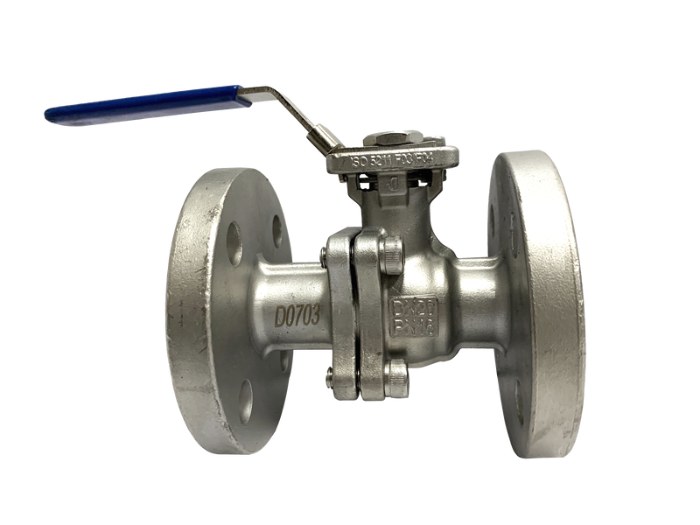
PN10/16 SS316 Flange End Ball Valve
5. What is the advantage of a ball valve?
The flange end ball valve has the following advantages:
- Quickly open and close with a quarter of a 90-degree rotary movement
- Ensure that there is no tight seal with high torque
- Compact design
The working pressure and temperature grade of the flange end ball valves are determined by its housing material and main sealing material. The sealing material can be a polymer material or a rubber material. Due to the characteristics of the fluid used, working pressure, working temperature, fluid flow rate and valve working frequency, the choice is limited.
Downloads
Catalogues & literature
Catalogue
📄
PN10/16 SS316 Flange End Ball Valves — Catalogue
PDF →📄ANSI 150# SS316 Flange End Ball Valves — Catalogue
PDF →📄ANSI 300# SS316 Flange End Ball Valves — Catalogue
PDF →📄JIS10K SS316 Flange End Ball Valves — Catalogue
PDF →📄ANSI 150# Cast Steel Flange End Ball Valves — Catalogue
PDF →📄ANSI 300# Cast Steel Flange End Ball Valves — Catalogue
PDF →Literature
📄
PN10/16 SS316 Flange End Ball Valves — Literature
PDF →📄ANSI 150# SS316 Flange End Ball Valves — Literature
PDF →📄ANSI 300# SS316 Flange End Ball Valves — Literature
PDF →📄JIS10K SS316 Flange End Ball Valves — Literature
PDF →📄ANSI 150# Cast Steel Flange End Ball Valves — Literature
PDF →📄ANSI 300# Cast Steel Flange End Ball Valves — Literature
PDF →Having a hard time finding the right parts?
We stock 15,000+ line items and can source specials nobody else can. Get a quotation within 2 hours.